Ice storms, blizzards and summer thunderstorms regularly cause power outages across Canada, and in winter a long outage can quickly become dangerous. The Government of Canada recommends every household be ready to look after itself for at least 72 hours.
Who to contact
- Report outages to your local electricity utility. Their outage line and outage map are on your bill and website. Examples include Hydro One (Ontario), Hydro-Québec and BC Hydro.
- Stay well back from downed power lines, treat them as live and call 911 and your utility.
During an outage
- Never use a generator, barbecue or camp stove indoors or in an attached garage. Carbon monoxide is deadly.
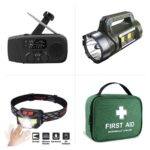
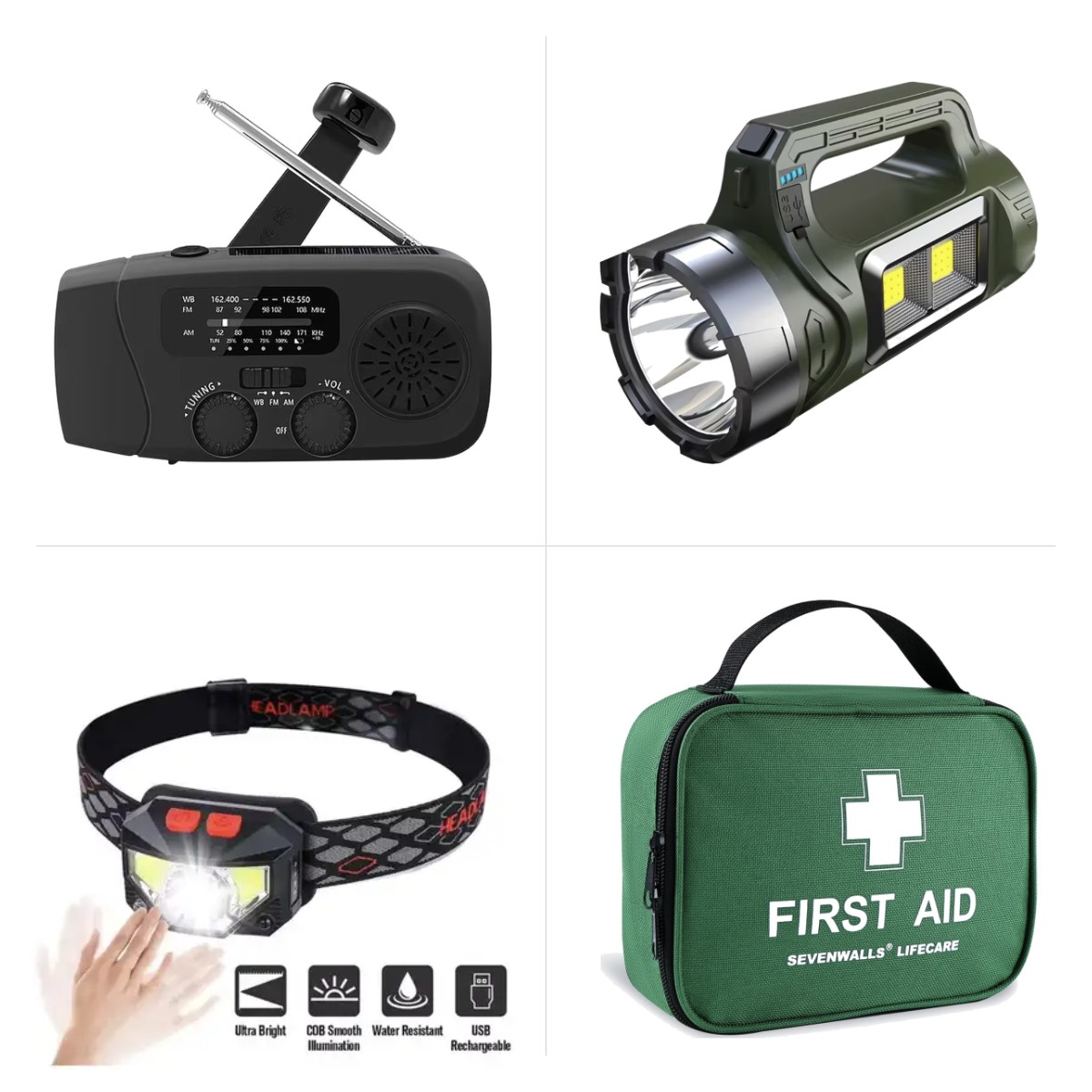
- Use flashlights, not candles. A rechargeable searchlight and a head torch are safer.
- Keep warm in winter. Close off unused rooms, wear layers, thermal gloves and use a rechargeable hand warmer.
- Protect your pipes. If the heat is off for a long time in freezing weather, ask your utility or a plumber about draining pipes.
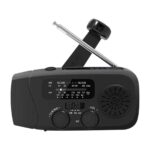
- Stay informed with a hand-crank radio for local news and alerts.
Your 72-hour kit
- Hand-crank or solar radio
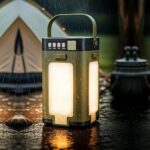
- Flashlights and a solar lantern that also charges phones
- Water (about 2 litres per person per day) and no-cook food
- A first aid kit and medicines
- Warm blankets and winter clothing
- A flask to keep drinks hot
For official advice, see GetPrepared.gc.ca.
More advice: power cut checklist · international delivery · all guides.
We deliver to Canada
Our Power Cut Kit has a wind-up emergency radio, an LED searchlight, a head torch and a first aid kit for £99. Tracked delivery to Canada is £34.40 for the kit, or £29.52 for single items. Prices are in pounds sterling and import charges may apply on arrival.